Newest news
Read all the latest blog posts
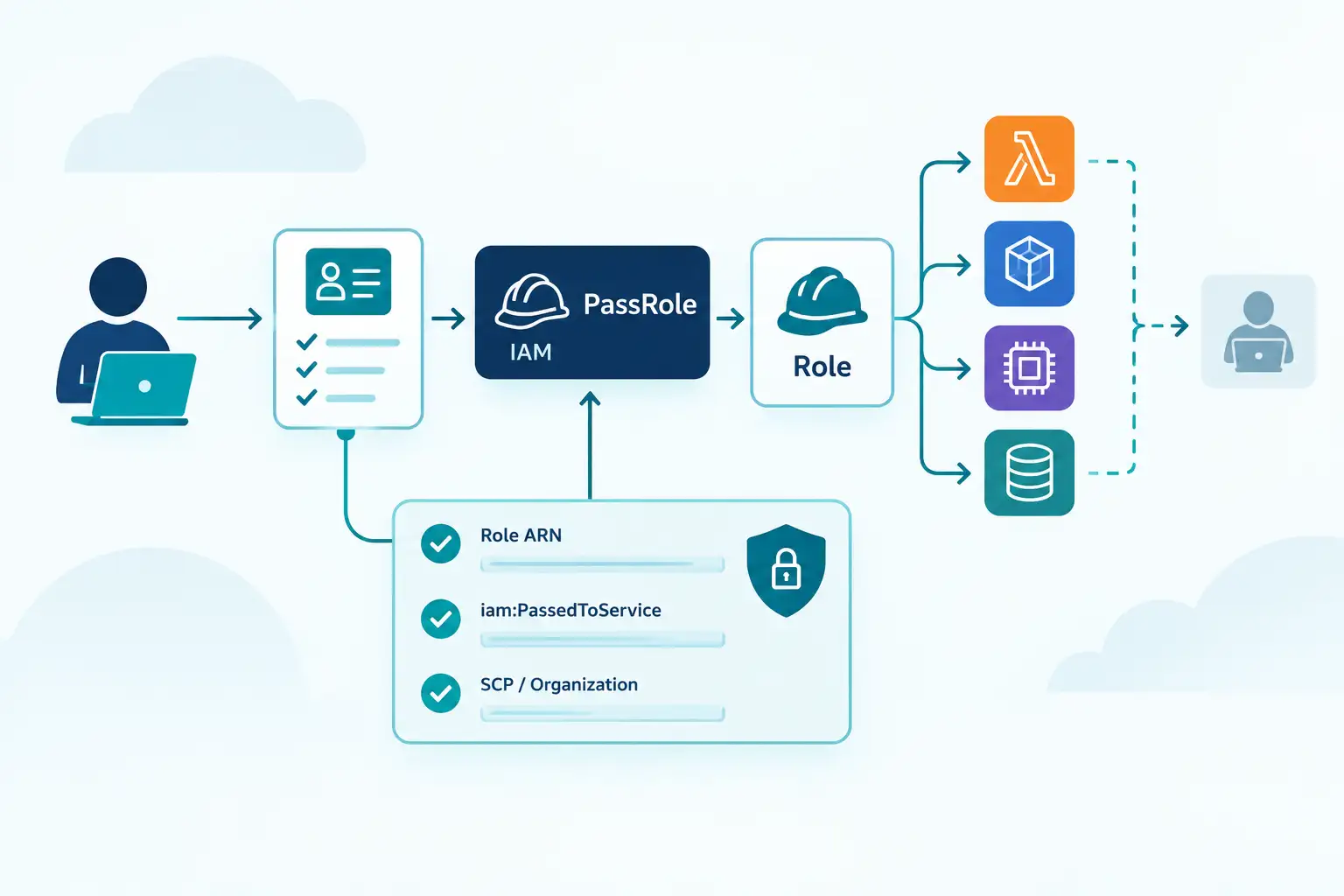
IAM PassRole in AWS: Why iam:PassRole Is the Most Dangerous Permission
When we audit AWS accounts, the most interesting findings are rarely the obvious ones like a public S3 bucket or an access key committed to Git. The findings that change the risk profile of a whole account are usually hidden in one line of an IAM policy. One of the lines that is catching an eye is "Action": "iam:PassRole", "Resource": "*".
Kubernetes HPA: Horizontal Pod Autoscaler on CPU and Memory
Autoscaling is one of the main reasons companies move to Kubernetes or in general want to use cloud. Yet in many clusters we audit, the Horizontal Pod Autoscaler is either not used at all or configured in a way that actively hurts the application. The number of replicas is picked once, hardcoded in a manifest, and the cluster pays for peak capacity 24/7. That’s the opposite of what a cloud native environment should look like.
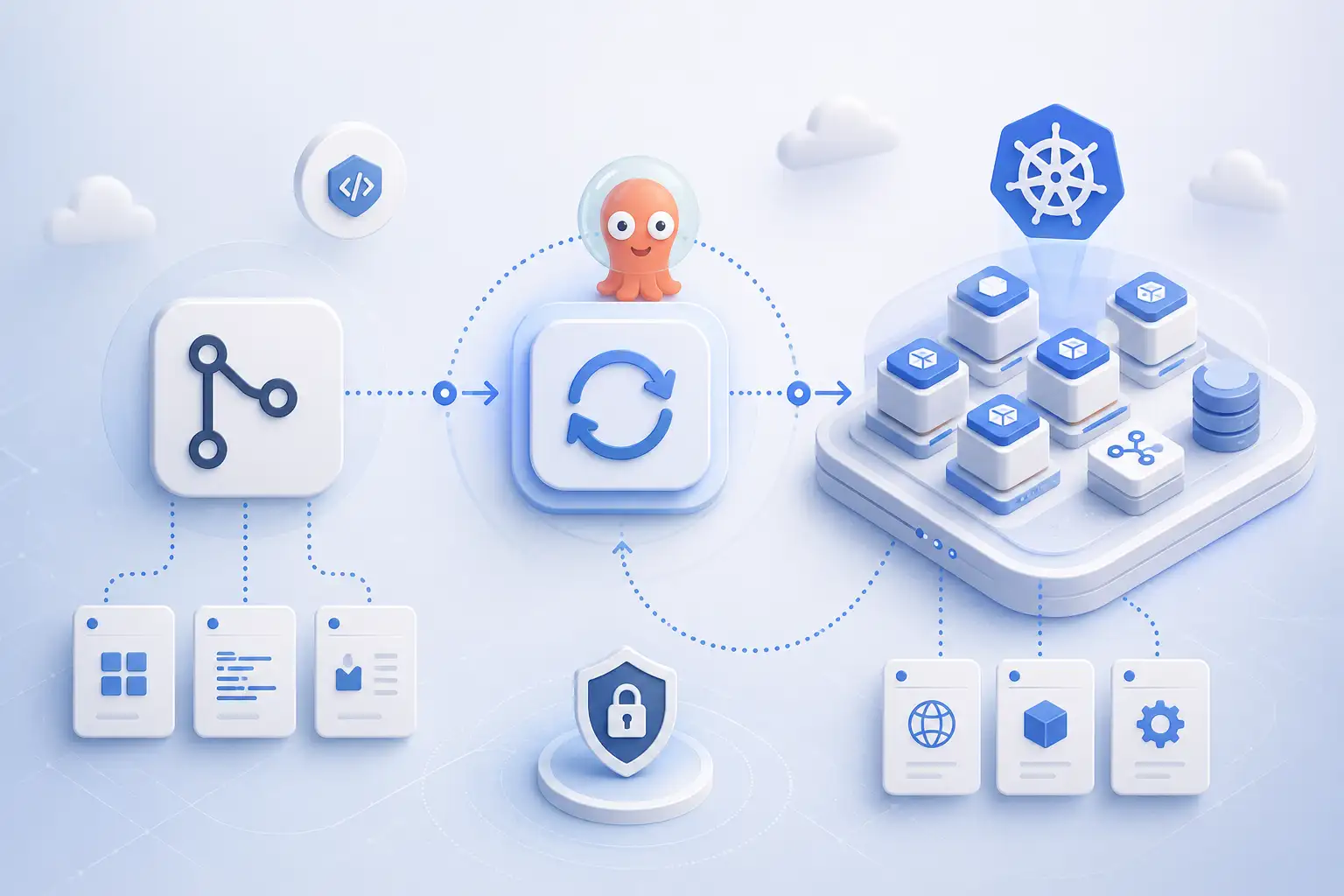
GitOps with Argo CD on Kubernetes: Architecture, Setup & Best Practices
Containerization and Kubernetes solved the problem of running applications in a repeatable way and at large scale, but they created a new one: how do you manage dozens of manifests, across several environments, in many teams at once, in a controlled way? Manual kubectl apply, a pipeline with access to the production environment, and configuration that nobody can reproduce — that’s the daily reality for many teams. The answer to this chaos is GitOps, and one of the leading tools that implement it is Argo CD.
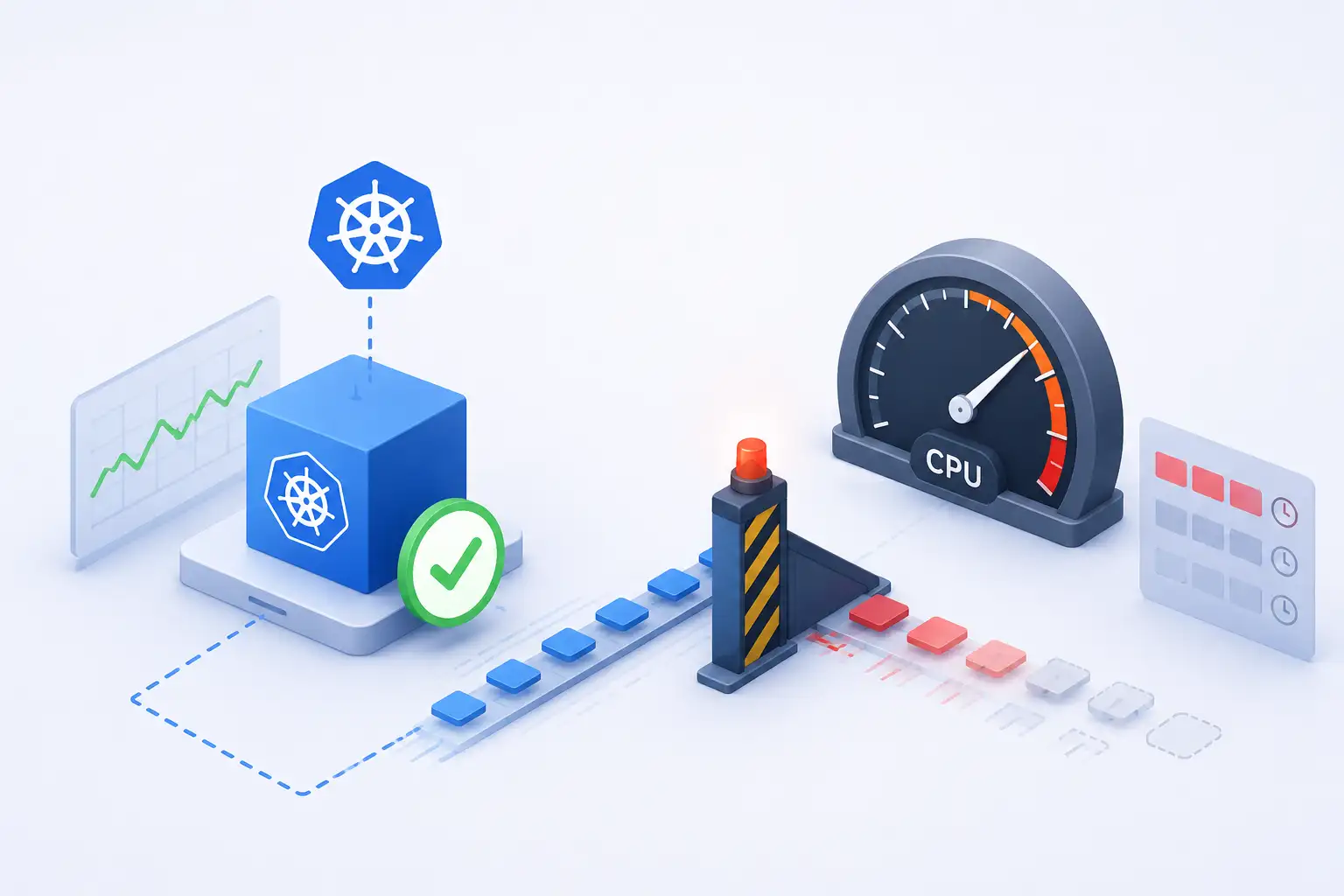
Kubernetes CPU Throttling: Why Pods Get Throttled at 40% CPU (CFS)
This is the third part of our series on Kubernetes resource management. In the first part I covered CPU request and limit in Kubernetes, and in the second I explained how requests and limits behave for memory. This article covers the topic that trips up the most engineers in production: CPU throttling. It is the reason a pod can look completely healthy on every dashboard and still miss its deadlines.

TimescaleDB Compression: Hypercore and Columnar Storage with up to 98% Ratio in PostgreSQL
TimescaleDB can achieve compression of up to 98% for typical time-series data. Compressing time-series data requires a fundamentally different approach than the general-purpose algorithms used in OLTP databases. In TimescaleDB this is handled by the hypercore engine — a hybrid row-columnar engine that uses specialized algorithms: delta encoding, delta-of-delta, Gorilla XOR and run-length encoding. This article explains how it works and how to configure compression so that you actually achieve that ratio.
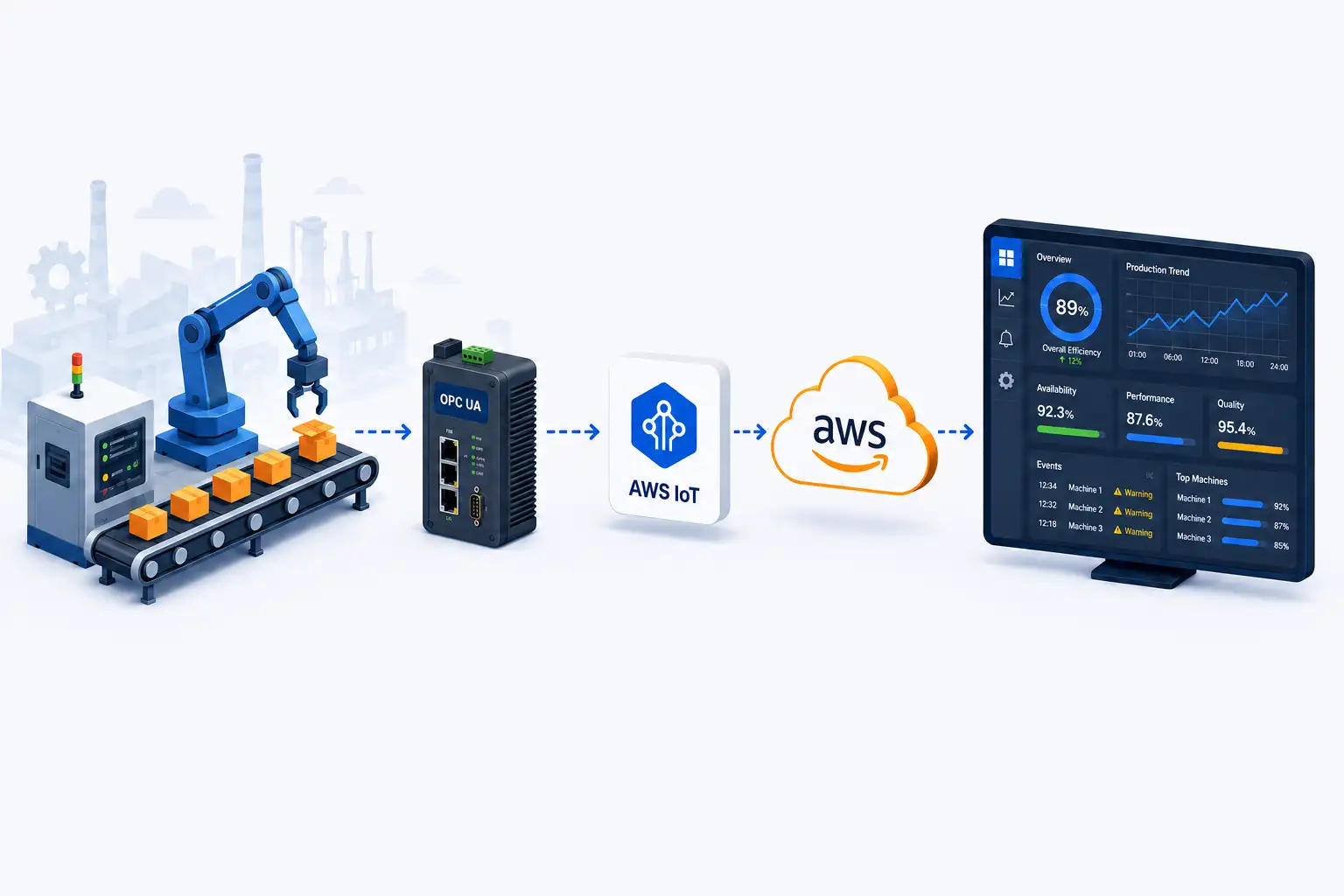
OPC UA and AWS - Integrating OPC UA Server with AWS IoT SiteWise
OPC UA Integration with AWS - how to connect an OPC UA server to AWS IoT SiteWise or MQTT so that PLC data reaches the cloud and databases like TimescaleDB. The article is for people who already know what OPC UA is and need an explanation of how it can be integrated with AWS services.