Newest news
Read all the latest blog posts
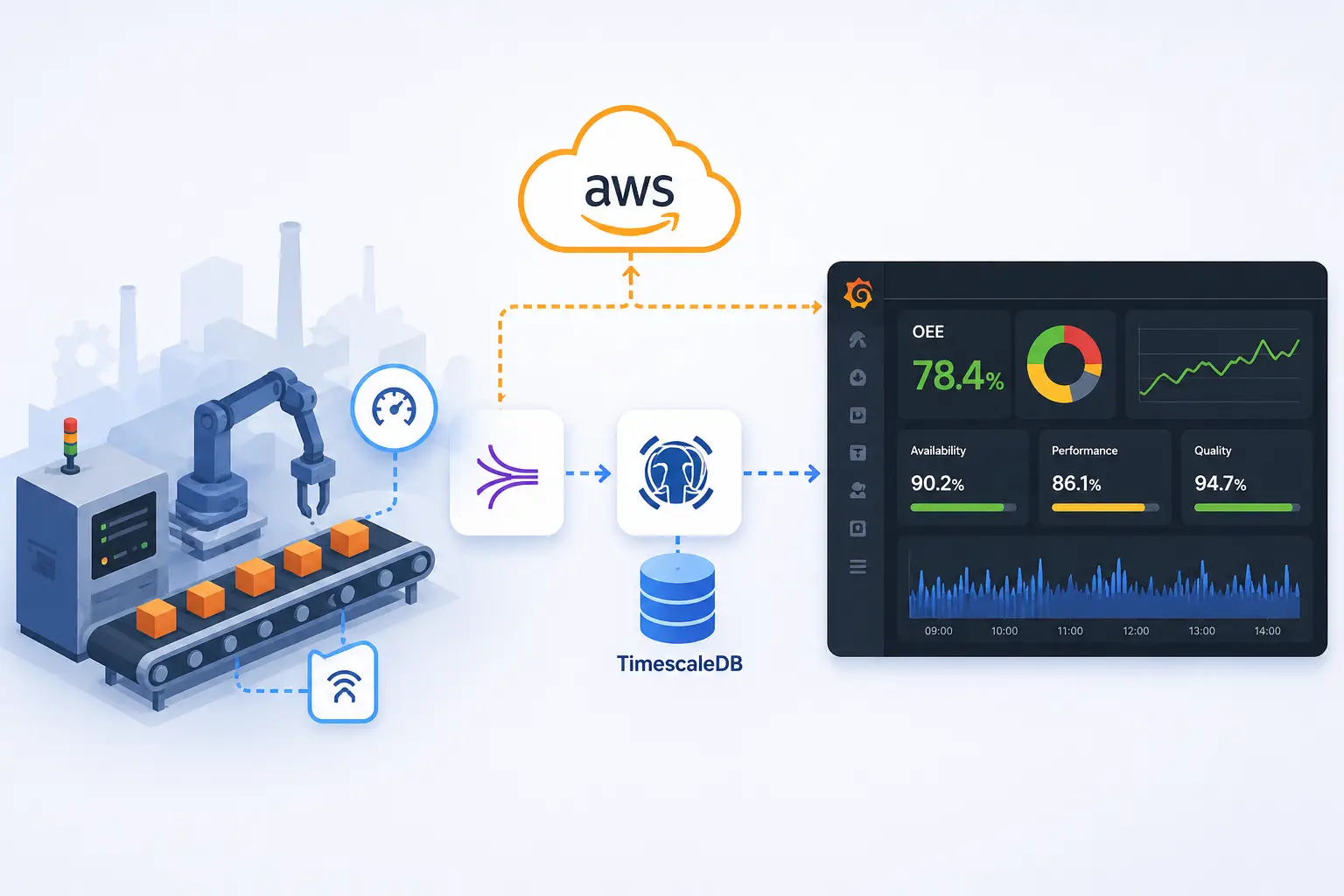
Real-Time OEE – How to Build a Production Monitoring System on Grafana, TimescaleDB, and AWS
The manufacturing industry is one of the main areas of our specialization. Industrial plants today invest serious money in modern machinery, automation, and sensors, but the analysis of production data is often done manually, with significant delay and inaccuracy. OEE is an indicator that every production manager knows, but few can easily monitor. Most often, data flows in with a delay of a day or a week, in Excel spreadsheets manually filled out by foremen. Meanwhile, OEE calculated live from sensors and PLCs allows you to react to performance drops within minutes, as well as make better investment decisions.
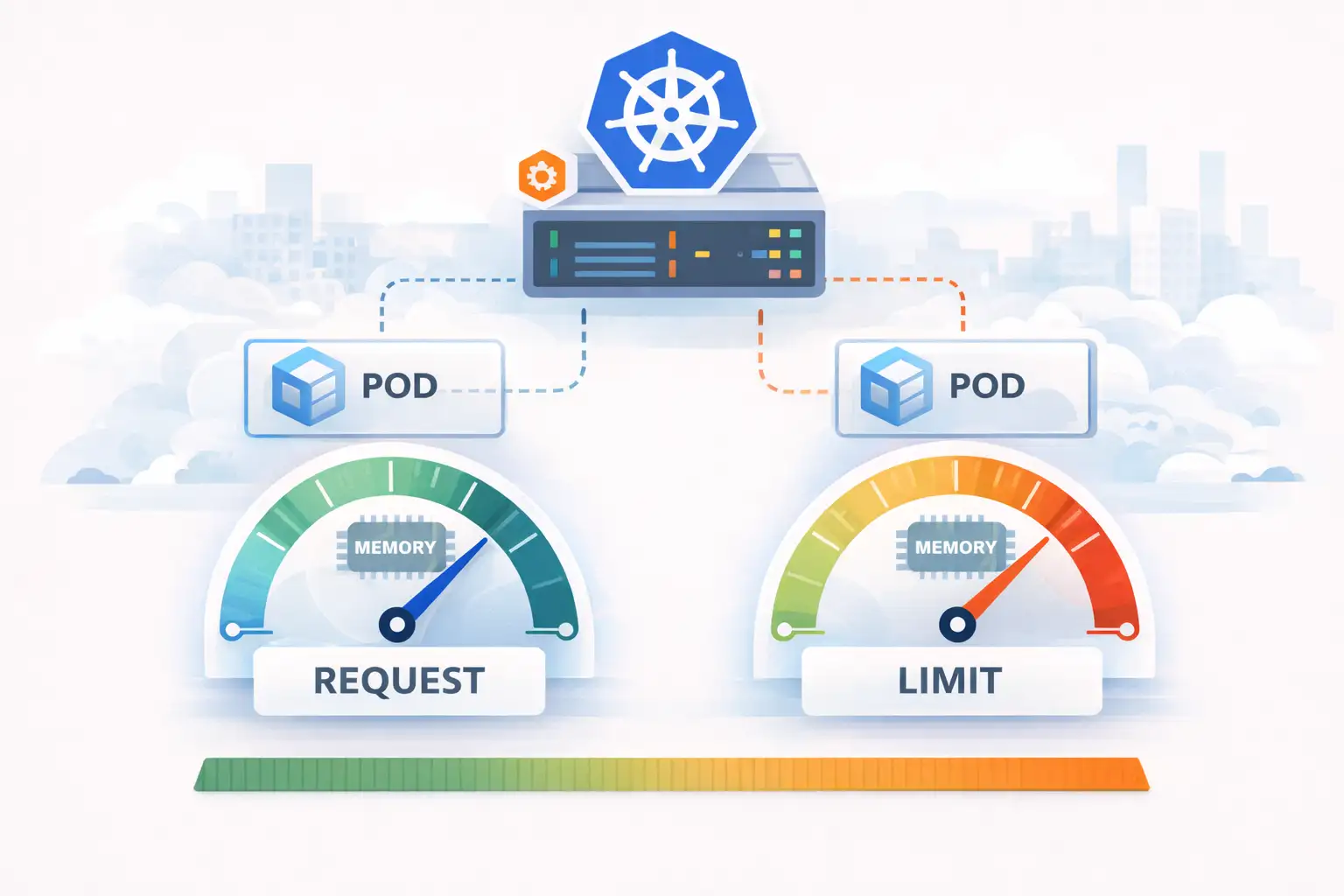
Kubernetes Management: Memory Request and Limit in Practice
This is the second part of an article series about resource management in Kubernetes. In the first part, we discussed how Kubernetes manages CPU, and in this part we focus on memory.
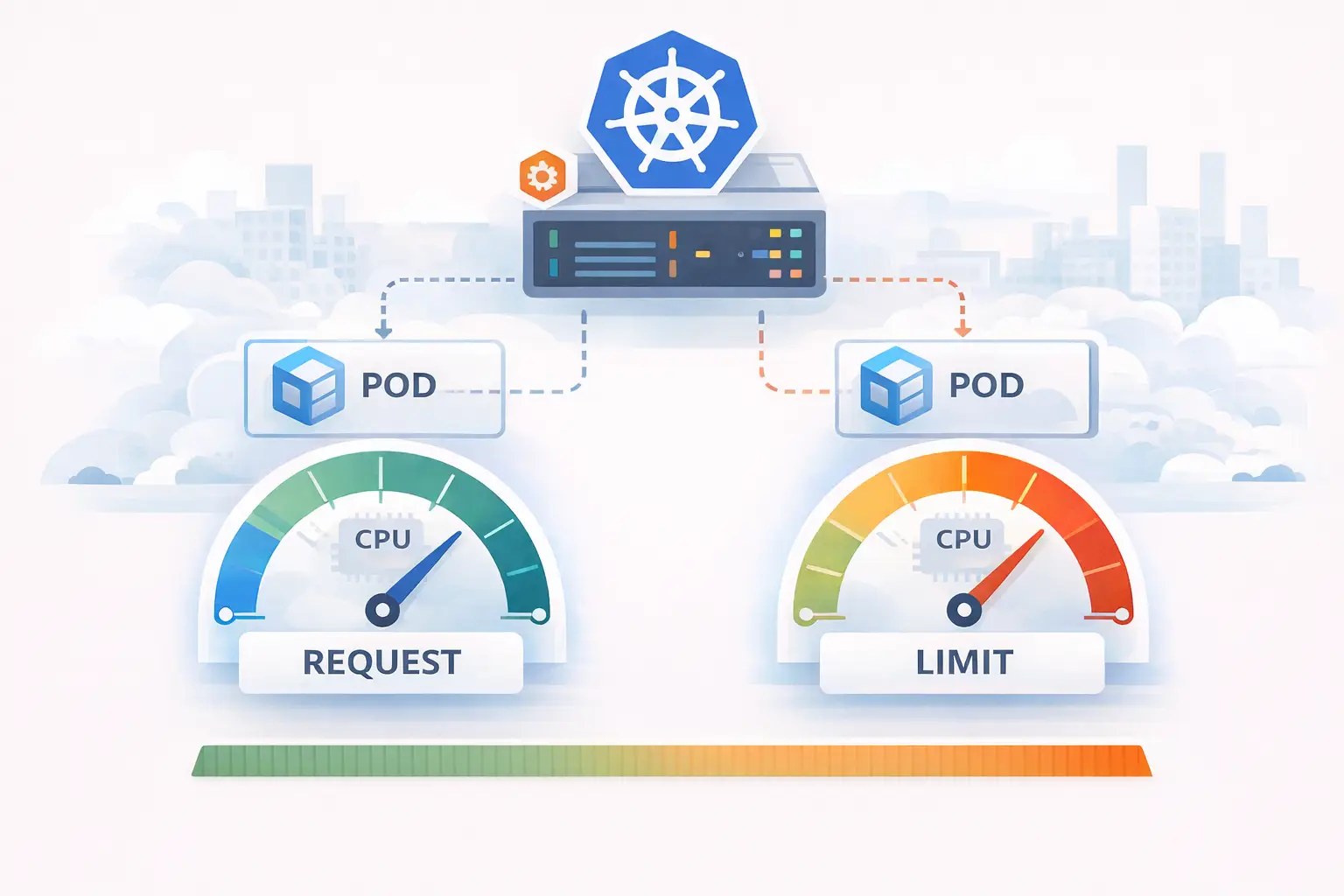
Kubernetes Resource Management: CPU Request and Limit in Practice
Kubernetes has been with us for 11 years now, and resource management is one of its most fundamental functions. Yet it remains one of the most common issues we observe in projects. Many people don’t know how to properly use resource management mechanisms or use them incorrectly. It’s still one of the most discussed topics in the Kubernetes world. In this article, I’d like to explain how CPU request and CPU limit work. In this post, we’ll focus on CPU, and in the next part (Kubernetes memory request and limit), we’ll discuss memory management.